Shape of My Cell: Reading the morphological "drift" of the cellular factory
The UK’s National Measurement Laboratory (NML) at LGC is leading a shift in how we define "healthy" cells. In collaboration with Deepcell, Dr. Jeanne Rivera and her team are applying digital metrology to identify "morphological drift"—subtle, AI-detected changes in cell shape and structure that human eyes and standard assays miss. By aligning phenotypic signatures with emerging ISO standards (TC276), this work is turning the art of cell culture into a rigorous, measurement-based science, ensuring the safety and consistency of life-saving ATMPs.

The Biological Fortune Teller: Why Morphology is the New Frontier of Biologics
For decades, Cell Line Development (CLD) has been a waiting game. New research from Gilead Sciences and the Science for Life Laboratory suggests that the wait is over. By leveraging generative AI and "digital cartography," scientists are now identifying high-producing clones in 36 days instead of 43—predicting a cell's destiny from the very first frame of imaging. Discover how Deepcell is closing the loop between AI-driven "vision" and real-time physical sorting to capture the future of biologics.
A biopsy you can bottle
Heart transplant recipients often face a first year dominated by invasive endomyocardial biopsies. Erasmus MC is challenging this standard. By utilizing Deepcell’s REM-I platform, Dr. Olivier Manintveld’s team is identifying "morphotypes" in peripheral blood that signal early rejection before tissue damage occurs. Discover how label-free imaging and AI are turning transplant aftercare from an invasive snapshot into a continuous, blood-based rhythm of sensing.
Do Dissociation Protocols Destroy Morphology? A Closer Look at Single-Cell Imaging of Solid Tumors
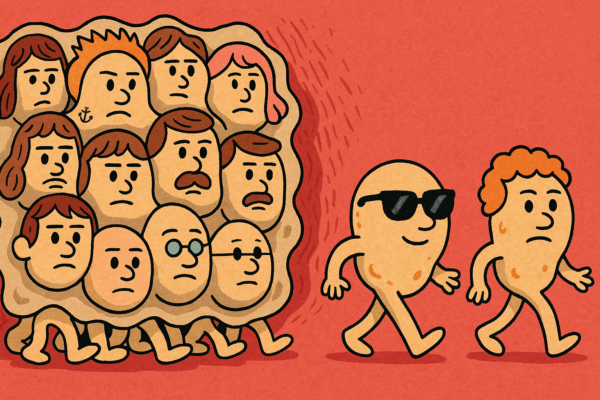
Single-cell technologies like scRNA-seq rely on tissue dissociation, but does breaking down a solid tumor destroy the very morphology we want to study? We examine the evidence—from classical cytopathology to new AI-driven studies with AbbVie—to prove that nuclear shape, chromatin texture, and cytoplasmic structure remain biologically meaningful even after dissociation. Discover why label-free imaging can still identify drug-resistant phenotypes with over 80% accuracy in "single-cell" form.
Toxic by Tradition
Toxicity remains the leading cause of late-stage drug failure, costing the industry billions in sunk capital. It’s time to move beyond "blunt instrument" assays. Discover how Deepcell’s REM-i platform uses AI-powered morphology to detect cellular distress hours or days before traditional markers of cell death appear. By identifying "morphological fingerprints" of toxic response label-free, we’re helping biopharma innovators catch off-target effects earlier and move safer candidates to the clinic.
Add Morpholomics to your toolbox
Ready to explore the power of morphology magnified by AI?
Contact us